PHYLLANTHUS FLUITANS Red Root Floater' x3
£7.25
Phyllanthus fluitans – Plant Description
General Appearance and Introduction
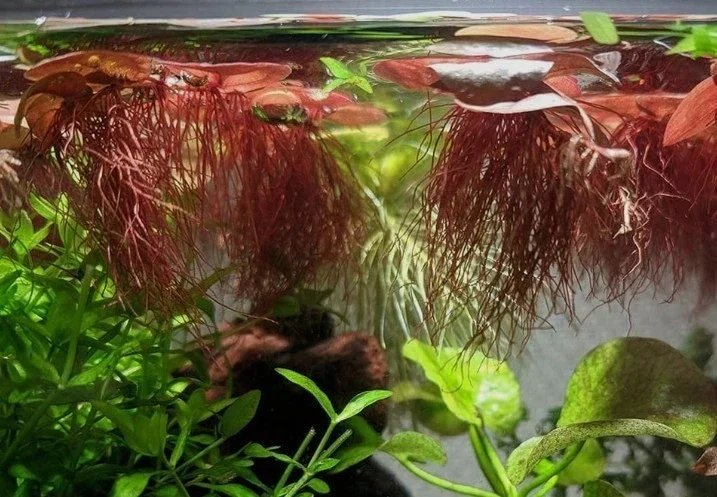
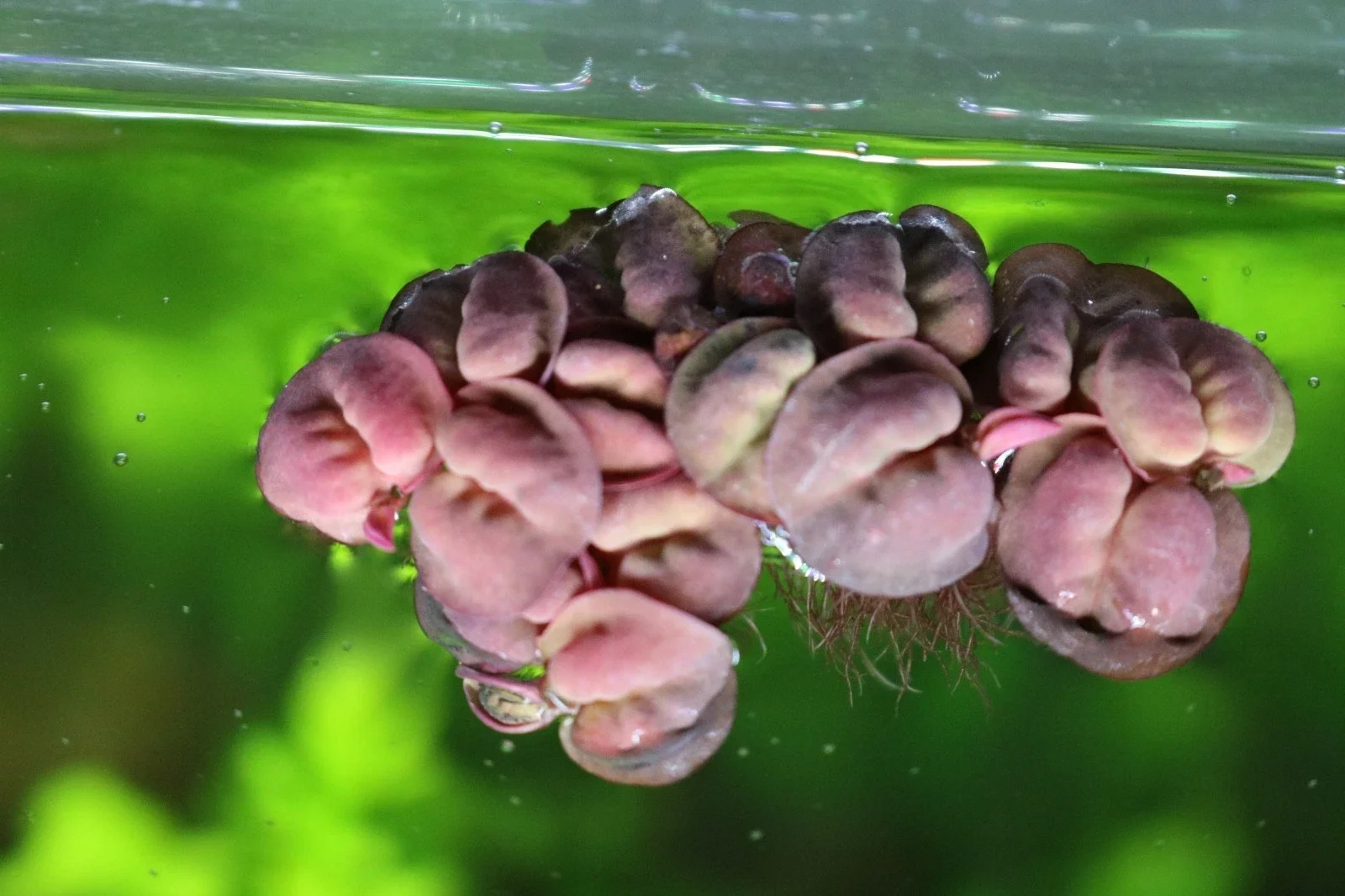
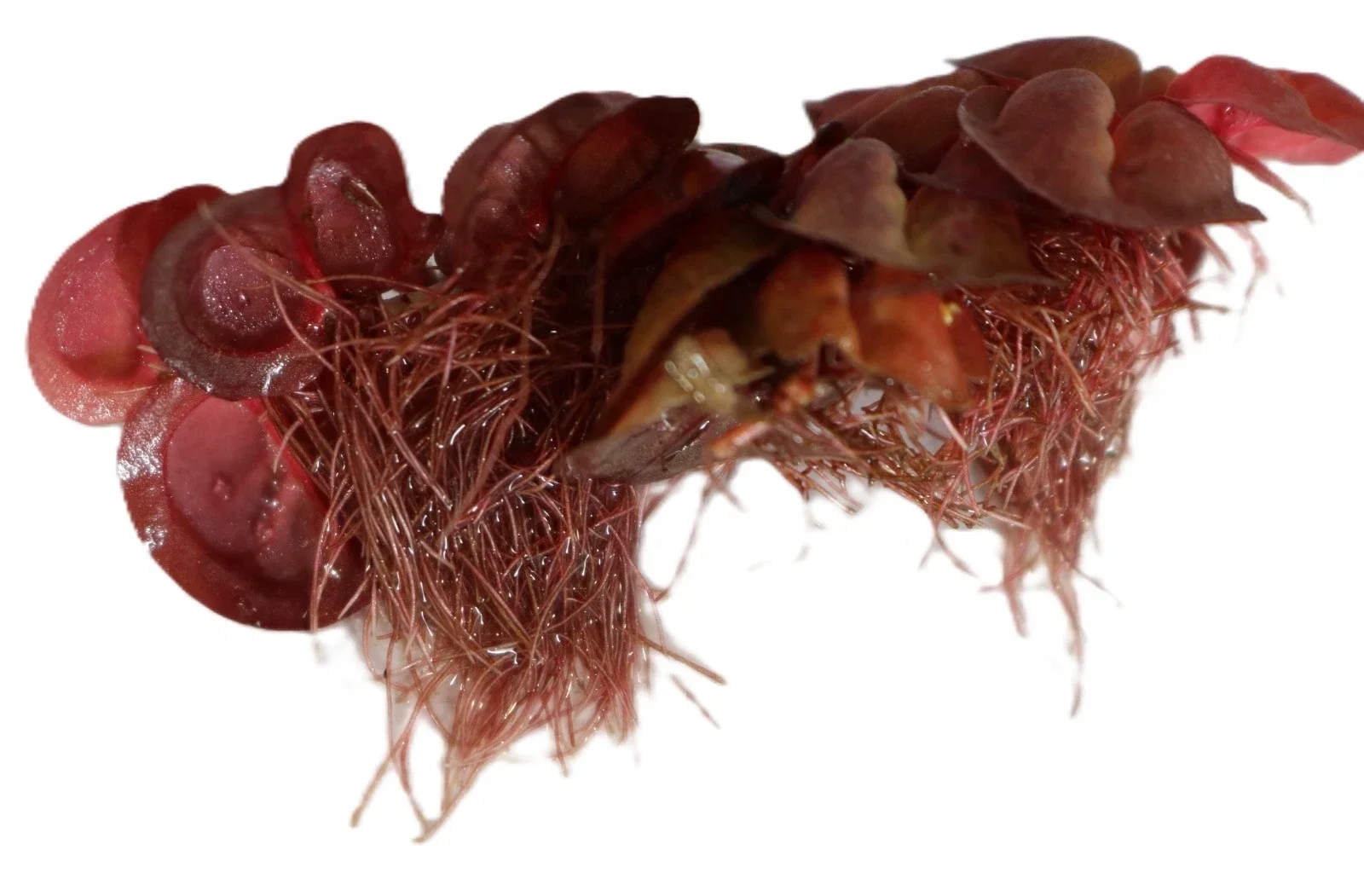
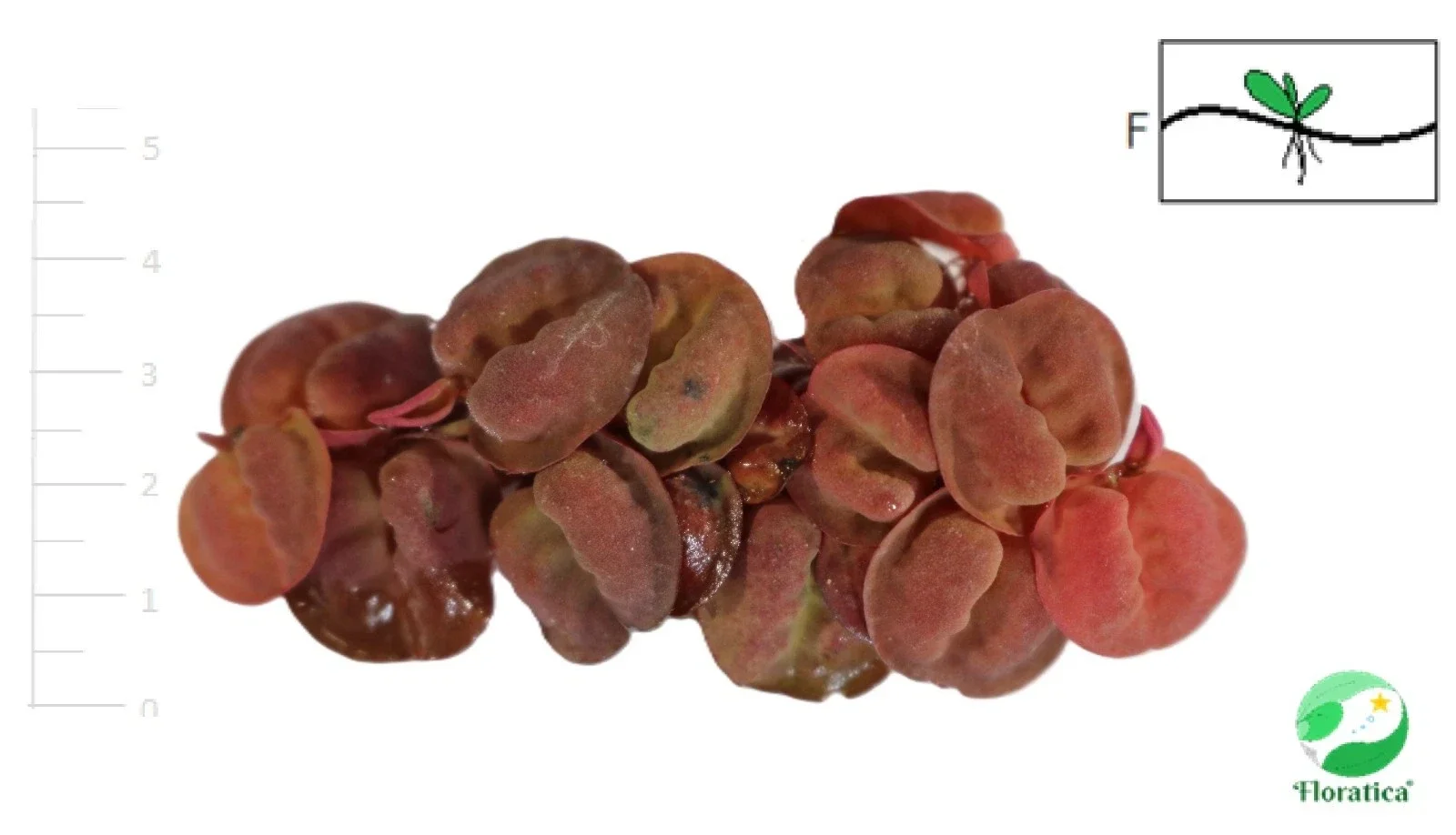
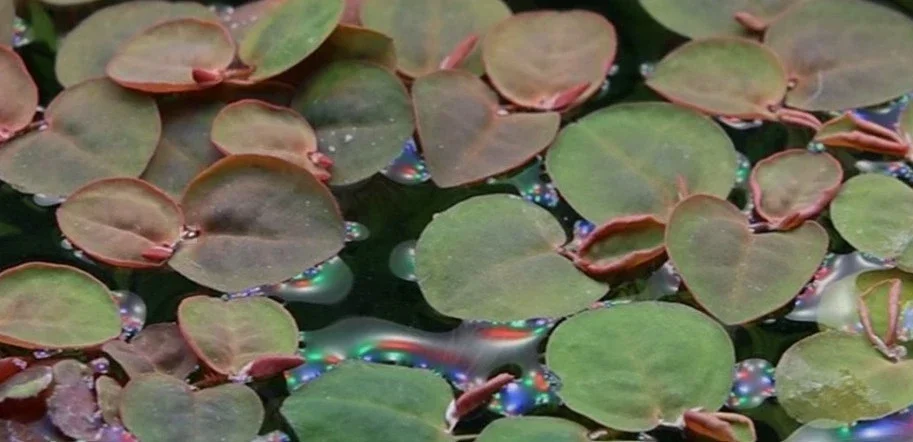
Phyllanthus fluitans is a free‑floating aquatic plant native to the Amazon basin. It forms compact clusters of round, slightly fleshy leaves that rest on the water surface. Under strong lighting, the plant develops striking red to deep burgundy coloration, making it a standout choice for aquascapes that aim to add warmth and contrast to the upper water layer. Its trailing roots create a natural, soft, and atmospheric look in any aquarium.
Leaf Characteristics and Aquascaping Use
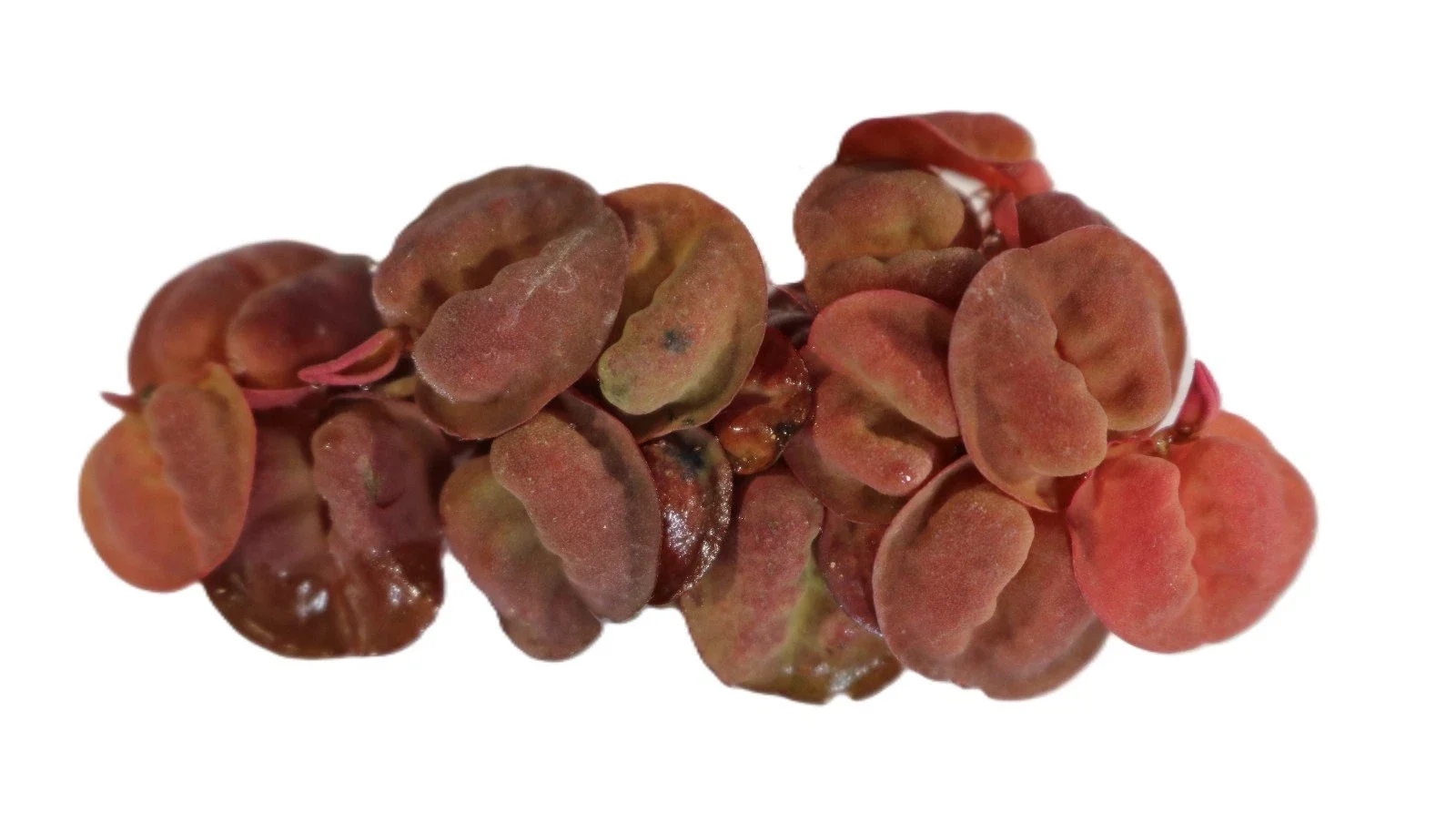
- Leaves are round, velvety, and slightly cupped, giving the plant a unique texture compared to other floaters.
- Color shifts from green (low light) to red/burgundy (high light + iron).
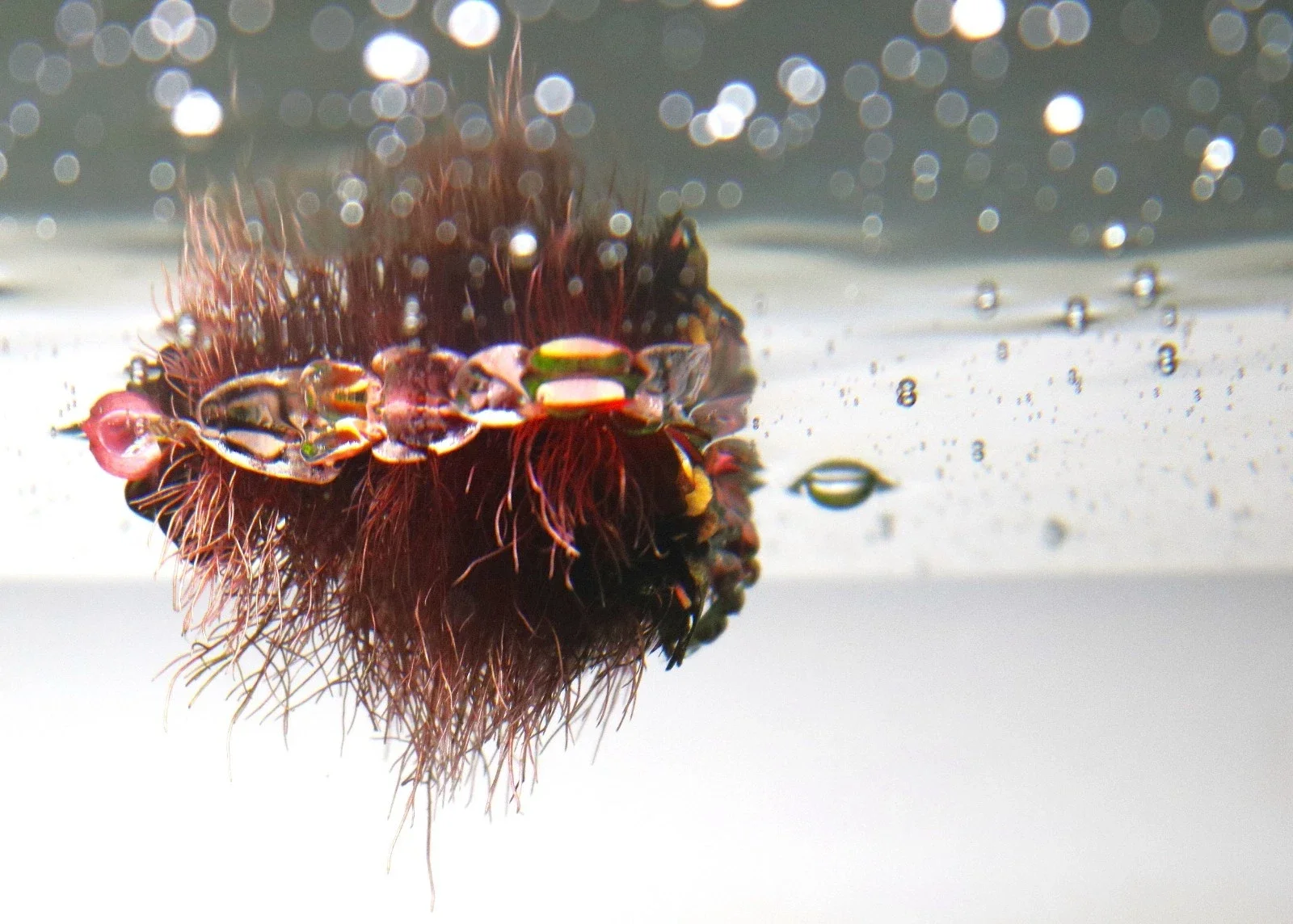
- Roots grow long and feathery, providing a dramatic hanging effect.
- In aquascaping, Phyllanthus fluitans is ideal for:
- Creating soft shade for fish that prefer dimmer lighting
- Adding color contrast to green‑dominant layouts
- Providing shelter for fry, shrimp, and shy species
- Softening the surface area and reducing harsh light penetration
- It spreads quickly, so regular thinning is needed to prevent excessive shading.
Additional Features
- Fast nutrient uptake helps reduce nitrate and phosphate levels.
- Sensitive to splashing — leaves can rot if constantly wet.
- Prefers calm water; strong surface agitation can damage or sink the plant.
- Excellent for breeding tanks due to its dense root structure.
- One of the most responsive floating plants in terms of color change.
Fertilization, Temperature, CO₂ Sensitivity, and CareFertilization
- Absorbs nutrients directly from the water column.
- Benefits from iron supplementation, which enhances red coloration.
- Balanced NPK levels support steady growth; extremely low nitrate slows development.Temperature
- Ideal range: 22–30°C
- Growth rate increases noticeably at higher temperatures.
- CO₂
- Does not require CO₂ injection.
- In CO₂‑enriched tanks:
- Growth becomes faster, Leaves grow larger, Colors intensify
- Lighting
- High light = red coloration and compact growth
- Low light = greener leaves and slower spread
- Care Tips
- Prevent full surface coverage to maintain oxygen exchange and light penetration.
- Keep filter outlets away from the surface to avoid leaf wetting.
- Trim weekly or bi‑weekly depending on growth speed.